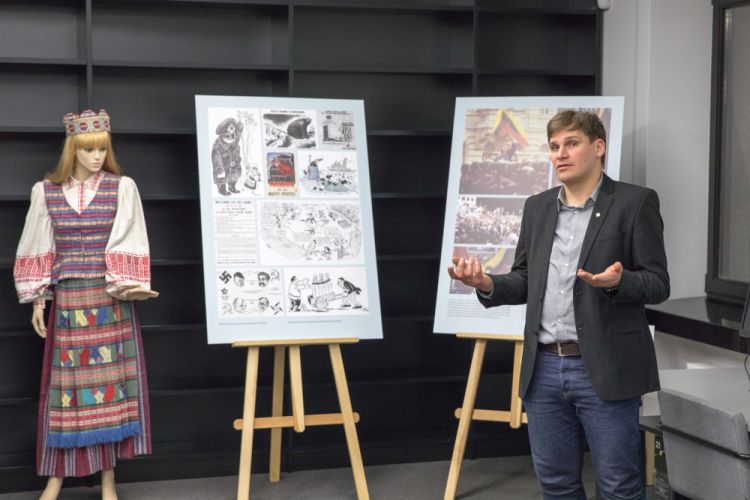
On January 9, 2018 the traveling exhibition “Diplomacy of Lithuanian Exiles in the Fight for Freedom” by Vytautas Magnus University Lithuanian Emigration Institute and the Valdas Adamkus Presidential Library-Museum was opened in the Martynas Mažvydas National Library of Lithuania.
According to Arūnas Antanaitis, the director of the Valdas Adamkus Presidential Library-Museum, when creating the exhibition, the most difficult task was to decide what to include and what to leave out – so vast is the archival material about Lithuanian political, lobbying and other activities in exile spanning for over a hundred years.
The exhibition is aimed at highlighting the most important activities of émigrés in the fight for freedom in the US, Australia, Canada, Brazil, Great Britain, France, and other countries. The creators of the exhibition wanted to show not the official efforts of the émigrés, but the so-called citizen diplomacy, i.e. the contribution of ordinary people to Lithuanian statehood. Alongside material, moral and political support, they helped to establish Lithuania’s name in the world and used all possible means to support Lithuania’s independence abroad.
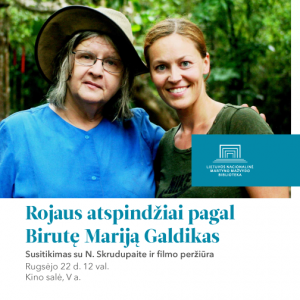 In Indonesian tropical forests, Dr. Galdikas has spent more than 40 years studying and preserving “the last great monkey living in the trees.” During these years, the orangutans have almost disappeared due to the heavy logging and hunters who sell animals to individual buyers, as well as zoos or laboratories.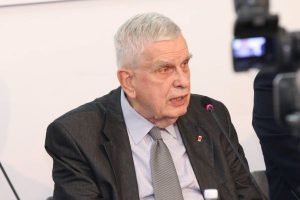
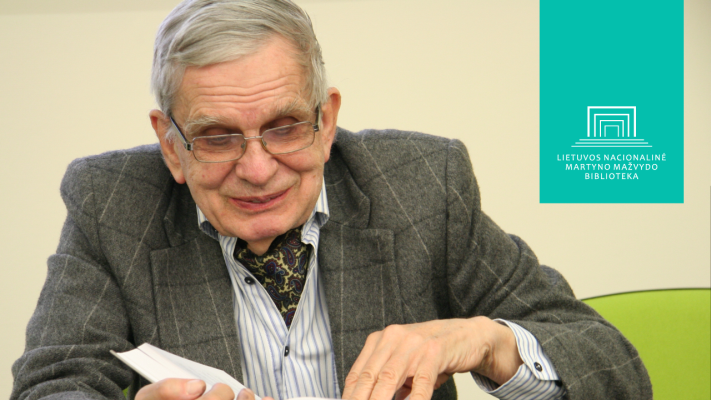 September 11, 2017 marks the 80th birthday of Tomas Venclova, a prominent Lithuanian poet, intellectual and Professor Emeritus at Yale University, US. While living in Soviet Lithuania, Venclova became a dissident. He left the Soviet Union in 1977. In the United States, Venclova formed a triumvirate with two other émigré poets from Eastern Europe, a Russian poet Joseph Brodsky and a Polish-Lithuanian poet Czesław Miłosz. Having lived in the US for decades, Venclova is still very involved in the intellectual life of Lithuania and Europe. In his writings and by his personal example, the poet encourages the cultural and historical dialogue and challenges prevailing stereotypes. Venclova’s poetry, which blends history and personal experiences, has been translated into over 20 languages.